
Why Variation Management is Essential for Quality Management
Key Takeaways
- Variation management is essential for achieving precision and consistency across every stage of production.
- Proactively controlling variation reduces defects, costs, and risk while improving reliability and yield.
- Integrating tolerance analysis tools and GD&T practices drives continuous improvement and customer trust.
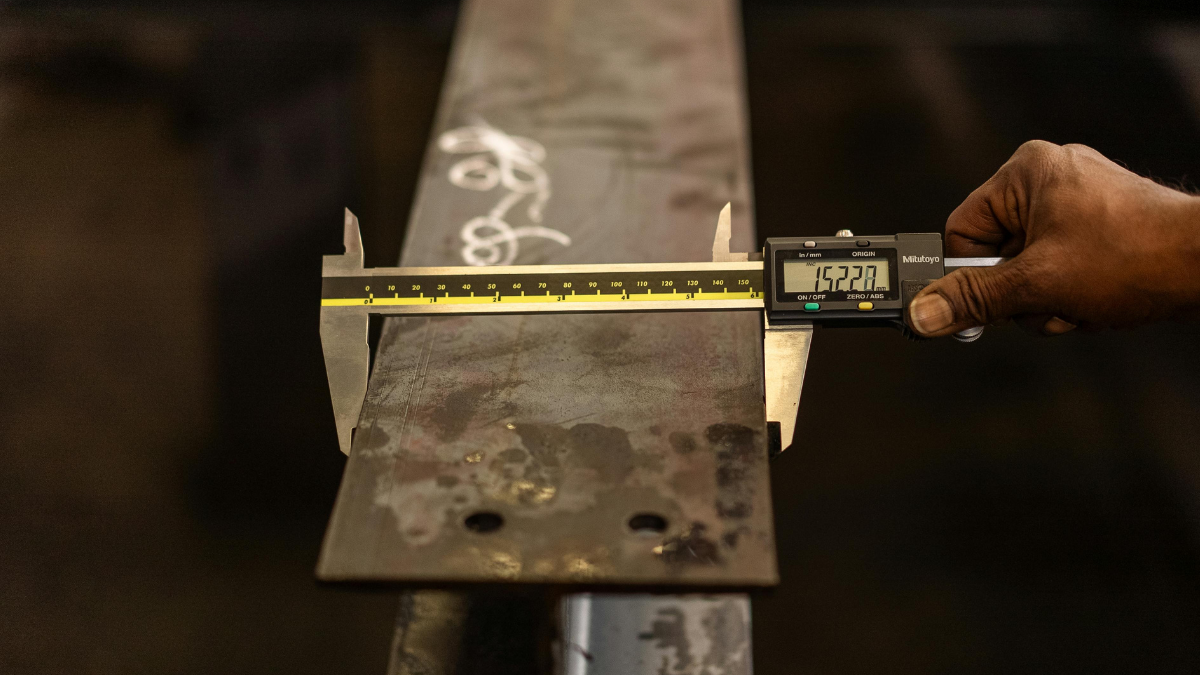
In precision-driven manufacturing, variation management refers to the systematic control and reduction of differences in product dimensions and processes. As products require tighter tolerances and customers demand higher consistency, manufacturers recognize the vital importance of variation management.
Even small dimensional deviations can lead to defects, reduced yields, and compromised reliability. By identifying, analyzing, and minimizing variation, manufacturers can improve performance and maintain customer trust in increasingly competitive markets.
What Is Variation Management?
Variation management is a discipline focused on understanding and controlling the dimensional differences that naturally occur during manufacturing. Using a combination of engineering analysis, statistical methods, and digital tools, organizations can predict where variation will arise and how it will affect product performance.
Modeling tolerances and process capabilities early in the design stage helps teams pinpoint potential problem areas, optimize assembly fits, and prevent costly downstream issues. Effective variation management aligns design intent with real-world production limits, ensuring each part and assembly performs as expected.
The Link Between Variation and Product Quality
Variation plays a direct and measurable role in the quality of a manufactured product. When tolerances go unchecked, finished parts may not fit together as intended. Fit issues lead to potential assembly failures and higher rejection rates during inspection. Inconsistencies can also alter how a product looks, feels, or functions. With enough inconsistencies, customer confidence wavers and brand reputation plummets.
In sectors such as aerospace, automotive, and medical devices, even minute deviations in product dimensions can compromise product performance and safety. Over time, accumulated variation can also shorten product lifespan and increase maintenance costs.
Managing variation, therefore, is a crucial requirement for delivering repeatable, high-quality results. Strategically controlling key dimensions helps manufacturers achieve ideal design specifications and ensure every product performs exactly as expected.
Variation Management as a Pillar of Quality Management
The principles of variation management align closely with major quality standards, including ISO 9001, IATF 16949, and AS9100. These frameworks emphasize process control, risk-based thinking, and continuous improvement — core considerations that variation management directly supports.
In practice, variation management translates the principles of these standards into actionable strategies that strengthen every stage of production. For example:
- Proactive quality assurance: Detects potential variation early in design and process stages, reducing costly rework and recalls.
- Data-driven decision-making: Uses statistical and simulation tools to validate designs and guide process adjustments.
- Cross-functional alignment: Improves communication between design, production, and quality teams to ensure shared understanding of tolerances and risks.
- Sustained improvement: Provides a foundation for ongoing monitoring, enabling manufacturers to refine processes and raise standards over time.
Embedding variation control into core quality practices enables organizations to shift from reaction to prevention and boost reliability across the entire product line.
4 Common Sources of Variation in Manufacturing
Variation can enter a manufacturing process from multiple directions, often in subtle ways that compound over time. Understanding where variation originates is the first step toward controlling it effectively.
Machining and Tooling Tolerances
Even well-calibrated machines produce minor deviations. Tool wear, vibration, and setup differences can shift dimensions outside target ranges.
Material Properties and Environmental Conditions
Changes in material batches, temperature, or humidity can alter dimensions, hardness, and stability. This is especially concerning in high-stress components and assemblies where even minor deviations can compromise performance or long-term durability.
Assembly Misalignment and Human Error
Manual assembly or improper fixture alignment can introduce variation through subtle positioning mistakes and inconsistent handling methods.
Supplier Inconsistency or Uncontrolled Inputs
If external suppliers lack standardized processes or controls, part quality fluctuates. Even small inconsistencies can have profound ripple effects across the supply chain.
The Variation Management Process
Effective variation management follows a structured, data-driven process that aligns design specifications with production capabilities. These progressive stages help teams identify, predict, and control dimensional variation throughout the product lifecycle.
- Identify Crucial Features and Tolerance Chains: Begin by pinpointing dimensions that directly affect product function, fit, and performance.
- Model Variation Through Tolerance Analysis: Use 1D and/or 3D stack-up analysis to predict how part and assembly tolerances interact and accumulate.
- Apply GD&T Standards: Implement Geometric Dimensioning and Tolerancing (GD&T) to define allowable variation limits clearly and consistently across teams.
- Simulate and Validate Tolerances: Use specialized software like CETOL 6σ or EZtol to verify design robustness under real-world conditions.
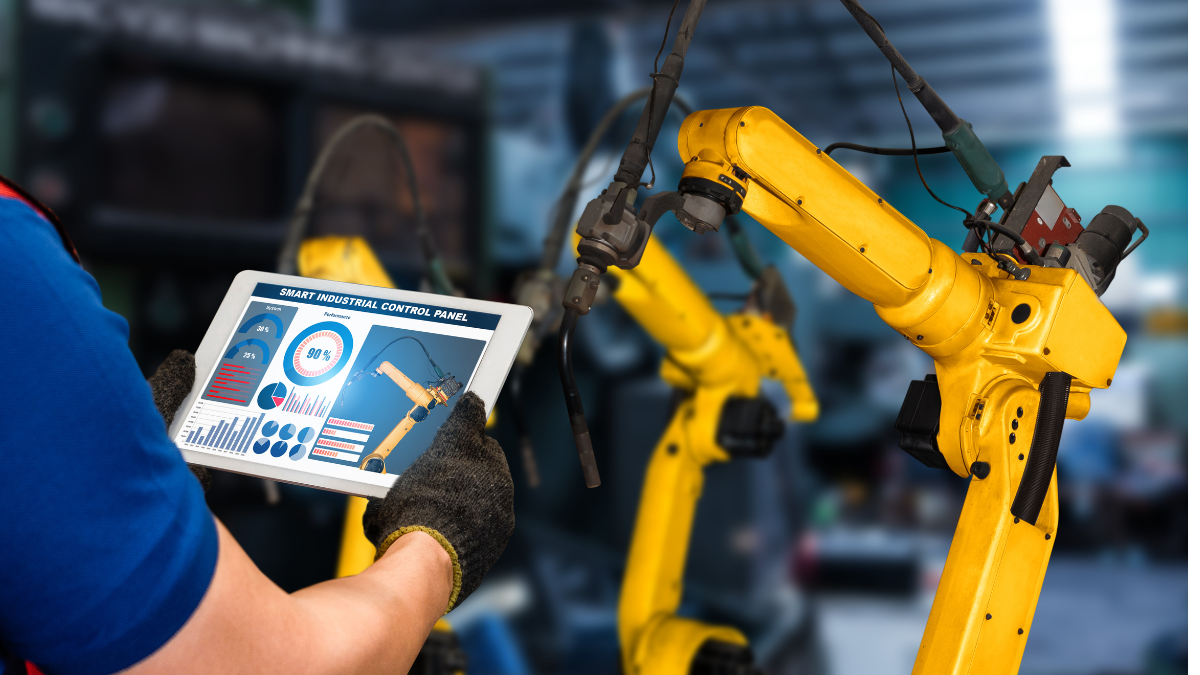
- Implement SPC and Feedback Loops: Monitor variation in production with Statistical Process Control, feeding inspection insights back into design processes for ongoing refinement.
Tools That Support Variation Management
Your software tools can make or break your variation management strategy. The right combination of technologies allows teams to predict variation before it occurs, maintain consistency during manufacturing, and drive continuous improvement through data analysis and feedback.
This table outlines key types of tools and how they contribute to your variation management tech stack:
|
Tool Type |
What It Does |
How it Supports Variation Management |
Examples |
|
Tolerance Analysis Software |
Performs 1D and 3D stack-up analyses to assess dimensional variation. |
Predicts how part and assembly tolerances interact, helping prevent design failures before production. |
|
|
CAD-Integrated GD&T Applications |
Applies and validates geometric dimensioning within CAD environments. |
Ensures tolerance requirements are consistently communicated across design and manufacturing. |
GD&T Advisor, MBD platforms |
|
SPC Tools |
Monitors manufacturing data in real time to detect variation trends. |
Enables proactive adjustments to maintain process stability and reduce defects. |
Q-DAS, Minitab, InfinityQS |
|
Digital Twins & Model-Based Definition (MBD) |
Represents physical products digitally with embedded tolerance data. |
Supports closed-loop feedback between design and production for enhanced traceability and accuracy. |
Siemens Teamcenter, PTC Creo |
Real-World Benefits of Variation Control
Effective variation control delivers measurable results across the manufacturing ecosystem. For example:
Higher First-Pass Yield
Consistently controlling variation ensures that more parts meet specifications on the first attempt, reducing rework, scrap, and downtime.
Reduced Cost of Poor Quality (COPQ)
Manufacturers minimize warranty claims, waste, and lost production time by identifying and addressing sources of variation early.
Improved Supplier Consistency
Standardized measurement practices and tolerance communication strengthen supplier collaboration, reducing shipment delays and inspection bottlenecks.
Enhanced Reliability and Compliance
Products built within controlled variation limits perform more predictably and meet rigorous regulatory and customer standards with confidence.
Best Practices for Engineering and Quality Teams
Building a culture of precision requires close collaboration and a shared understanding of how variation impacts performance. Engineering and quality teams strengthen product consistency by integrating variation management principles into daily workflows and long-term strategy. Key practices include:
- Early cross-functional alignment: Involve design, manufacturing, and quality teams early to ensure tolerances and processes are realistic and harmonized.
- Leverage data-driven analysis: Use statistical and simulation-based tolerance analysis rather than relying solely on conservative, worst-case assumptions.
- Take a system-level view: Manage variation across assemblies and interfaces, not just within individual components.
- Close the loop with feedback: Feed real-world production data into engineering for continuous design refinement.
- Invest in training: Develop workforce competency in GD&T, variation modeling, and statistical quality methods to sustain long-term improvement.
These practices create a strong foundation for proactive variation management across the enterprise.
Laying the Foundation for Lasting Quality
Variation management is a cornerstone of modern quality and process excellence, and organizations that make it a central focus realize tangible benefits:
- Fewer defects
- Lower production costs
- Greater confidence in product reliability
Systematically identifying and reducing variation helps companies close the gap between design specifications and manufacturing realities. Want to strengthen your quality management program? Explore how Sigmetrix helps companies like yours with precision tolerance analysis tools, GD&T training, and model-based solutions that bring quality and design into alignment. Contact Sigmetrix today.