

Driving Smarter Manufacturing: How AI and Advanced Materials Are Shaping Automotive Innovation
At the GENERIS American Automotive Summit at Detroit's GM Renaissance Center, industry leaders explored how artificial intelligence, predictive analytics, and next-generation materials are helping manufacturers improve efficiency, reduce risk, and accelerate innovation across the automotive value chain.
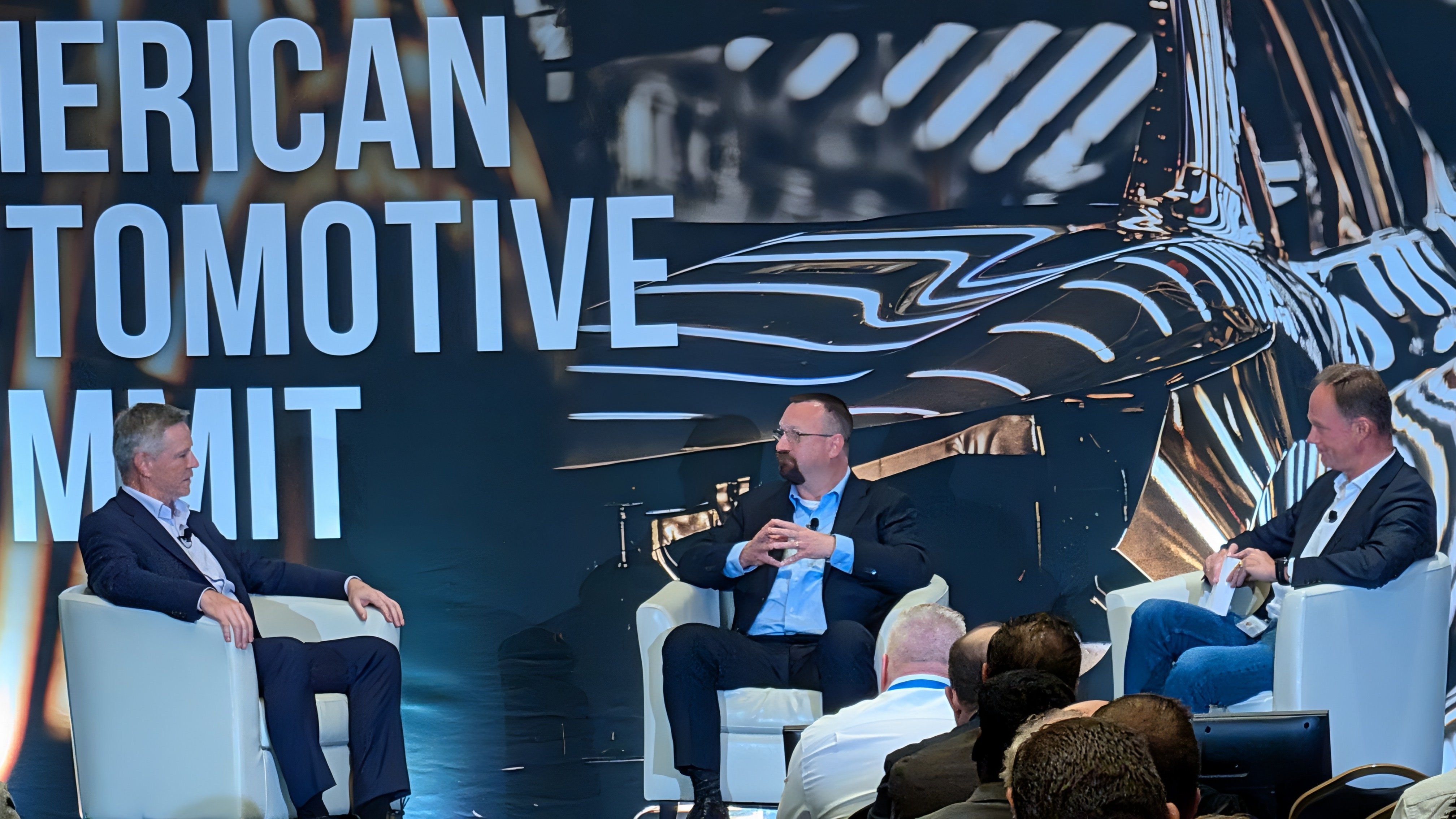
The automotive industry is navigating one of the most transformative periods in its history, and guests from General Motors and OPmobility at the GENERIS American Automotive Summit highlighted how manufacturers and suppliers are leveraging technology to meet these challenges head-on. Discussions focused on two key themes: the growing role of artificial intelligence in manufacturing operations and the importance of developing resilient supply chains for advanced materials and emerging vehicle technologies.
In particular, the speakers emphasized the shift from reactive manufacturing practices to proactive, data-driven operations. Manufacturers are increasingly using connected technologies, data analytics, statistical modeling, and AI-powered monitoring systems to identify potential issues before they affect production. Rather than responding to breakdowns or quality concerns after they occur, organizations are building centralized control centers that continuously monitor equipment, robotics, body systems, and production processes in real time. This approach provides plant teams with greater visibility into operational performance and helps them prioritize maintenance activities, improve scheduling, and uncover opportunities for continuous improvement.
The speakers noted that AI is not replacing traditional manufacturing expertise but enhancing it. By analyzing large volumes of operational data, AI systems can highlight trends and anomalies that may otherwise go unnoticed, enabling teams to make better decisions and achieve more consistent performance. The result is improved operational efficiency, higher equipment reliability, and a stronger foundation for quality-focused manufacturing.
Advanced Materials Create New Challenges
Additionally, advanced materials, particularly carbon fiber and battery technologies, continue to be challenges to automotive manufacturers. While lightweight materials and electrification are critical to the future of mobility, significant market volatility remains. Carbon fiber pricing has experienced substantial fluctuations driven by changing demand from industries such as aerospace, renewable energy, and automotive manufacturing. These swings create uncertainty for vehicle programs and can have a direct impact on product profitability and long-term planning.
To address these challenges, suppliers are investing in material recycling, supply chain optimization, and alternative battery chemistries. Innovations such as sodium-ion batteries, lithium iron phosphate (LFP) batteries, carbon fiber recovery processes, and solid-state battery development are helping reduce risk while supporting sustainability goals. However, presenters stressed that success depends on strong collaboration between automakers and suppliers. Early customer engagement, strategic investment, and shared risk management are essential to scaling emerging technologies from laboratory concepts to high-volume production.
The overarching message from the summit was clear: the future of automotive manufacturing will be defined by organizations that can successfully combine digital intelligence, advanced materials, and collaborative innovation. Whether through AI-powered operations or next-generation vehicle technologies, companies that embrace transformation today will be best positioned to lead the industry tomorrow.
Dealing with Manufacturing Issues?
Find out how to reduce variation to reduce manufacturing defects leading to rework, scrap, and non-conformance.