
How Product Development Consulting Speeds Up Time to Market
Key Takeaways
- Product development consultants help companies reach the market faster without compromising quality or innovation.
- They bring proven frameworks, tools, and cross-functional alignment to eliminate delays and reduce risk.
- Partnering with experts enables teams to scale efficiently, validate designs early, and maintain a competitive edge.
In markets where innovation moves faster than ever, a shorter time to market gives companies an essential competitive edge. On the other hand, racing a product to market can come with trade-offs that derail quality and performance. The key is finding the right balance — moving quickly enough to seize opportunities while maintaining the rigor needed to deliver reliable, high-quality products.
Product development consultants bring a valuable outside perspective that helps organizations strike that balance. With their proven expertise, specialized tools, and streamlined frameworks, consultants help companies shorten development cycles and launch with confidence.
Why Time to Market Matters
The speed at which a company can move from concept to launch directly affects its ongoing success. First of all, getting to market faster accelerates revenue generation and helps secure early market share before competitors crowd the space. The timing of a launch can determine whether a product leads a trend or struggles to catch up. Delays often come with opportunity costs, such as shifting consumer expectations and new regulatory requirements that complicate release plans.
Internally, teams face constant pressure to balance speed with quality. Engineering resources are finite, priorities change quickly, and every new feature or redesign adds complexity. Meanwhile, company leaders and executives are often pushing for innovation under tighter budgets and shorter deadlines.
Navigating these competing demands makes time to market an important strategic challenge — one that directly impacts growth, profitability and brand reputation. That’s why many organizations work with product development consultants. These experts are uniquely positioned to accelerate programs while preserving product quality and strategic alignment with business goals.
How Product Development Consultants Accelerate Product Development
Product development consultants use their experience and objectivity to streamline workflows and turn complex, cross-functional efforts into predictable processes that deliver results. From concept validation to manufacturing readiness, they employ a range of strategies to accelerate every stage of product development.
Streamlining the Concept-to-Design Phase
The Challenge: The earliest stages of development often set the pace for everything that follows, but they’re also where teams face the most uncertainty. Missteps here often ripple through later phases as rework, delays, or added costs.
What Consultants Do: Consultants help teams rapidly validate ideas through feasibility studies and concept modeling, so only the strongest concepts move forward.
Why it Matters: Early clarity prevents costly redesigns, reduces friction between teams, and shortens overall timelines.
Tools and Techniques: Design thinking frameworks, digital prototyping tools, and standardized requirement templates that bring structure and speed to concept development.
Preventing Costly Design Errors
The Challenge: Design mistakes caught late in development can derail schedules and budgets.
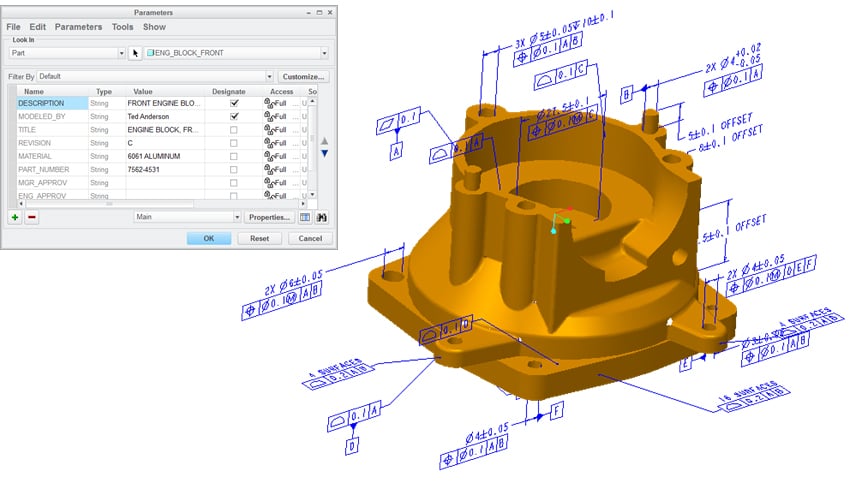
What Consultants Do: Product development consultants help organizations avoid pitfalls by embedding robust validation practices early in the design process. By integrating design for manufacturability (DFM) and design for assembly (DFA) principles, along with detailed tolerance analysis and simulations, they help teams identify potential issues long before physical prototypes are built.
Why it Matters: Detecting and correcting errors early eliminates expensive rework, reduces material waste, and prevents delays that can come with last-minute changes. It also ensures designs move smoothly into production without performance surprises or quality setbacks.
Tools and Techniques: High-precision variation analysis software such as CETOL 6σ and EZtol, along with 3D simulation platforms and standardized DFM/DFA checklists to validate designs efficiently and reduce risk throughout development.
Filling Skill Gaps Without Hiring Delays
The Challenge: One of the biggest challenges in product development is finding the right expertise exactly when it’s needed. Waiting to recruit or train full-time specialists can stall momentum and stretch timelines.
What Consultants Do: Product development consultants bridge this gap by providing immediate access to skilled professionals who can step in and deliver results from day one. Their breadth of experience across industries and technologies allows companies to address technical challenges without interrupting progress.
Why it Matters: On-demand expertise enables teams to stay agile, maintain velocity, and focus internal resources on core strengths. It also minimizes downtime caused by staffing shortages or skill mismatches.
Tools and Techniques: Product development consultants often offer flexible engagement models, such as product-based support and fractional consulting. These engagement models allow teams to scale rapidly when they need it most. Additionally, many consultants bring specialized knowledge that fills gaps in areas like GD&T, Model-Based Definition (MBD), compliance, or system integration.
Improving Cross-Functional Alignment
The Challenge: In many organizations, design, manufacturing, and quality teams work in silos, which can lead to miscommunication, duplicated efforts, and delays. Without clear coordination, small misunderstandings can snowball into costly production issues and rework.
What Consultants Do: Product development consultants serve as neutral facilitators who bring clarity and structure to communication. They establish consistent review processes, standardized documentation, and shared collaboration frameworks that keep everyone aligned around common goals.
Why it Matters: Better alignment breaks down barriers between departments, ensuring design intent is fully understood and executed downstream. This reduces friction, shortens review cycles, and helps products move through development smoothly.
Tools and Techniques: Model-Based Definition (MBD) systems, integrated PLM platforms, and structure communication protocols that connect teams and minimize interpretation errors.
Speeding Up Supplier and Manufacturing Readiness
The Challenge: Even well-designed products face costly delays if suppliers or manufacturers aren’t fully prepared. Misunderstandings in documentation, unclear tolerances, or incomplete specifications can slow down quoting, tooling, and production kickoffs.
What Consultants Do: Product development consultants prepare complete, production-ready documentation that suppliers can act on immediately, verify that tolerances and specifications are achievable, and ensure smooth handoffs during design transfer. Consultants can also facilitate direct communication with vendors to resolve questions before they become roadblocks.
Why it Matters: Early manufacturing readiness accelerates production timelines, reduces costly rework, and builds stronger relationships with suppliers.
Tools and Techniques: Digital manufacturing data packages, tolerance analysis tools, supplier collaboration platforms, and standardized design transfer checklists.
Enabling Smart Use of Prototypes
The Challenge: Prototyping drives learning and validation, but inefficient practices quickly drain budgets and extend timelines. Many teams overbuild or prototype too often, chasing perfection instead of progress and slowing down the path to market.
What Consultants Do: Product development consultants help organizations prototype strategically, focusing on what truly needs to be tested to inform decisions and reduce uncertainty. They balance physical builds with advanced simulation tools to gather insights faster and at lower cost, ensuring every iteration adds measurable value.
Why it Matters: Smarter prototyping minimizes wasted effort, shortens development cycles, and ensures the team learns exactly what’s needed to move forward confidently.
Tools and Techniques: Virtual simulation platforms, rapid prototyping technologies, and risk-based validation frameworks that pinpoint the most crucial functions to test.
What to Look for in a Product Development Consultant
Choosing the right product development consultant can make all the difference between accelerated progress and added complexity. The most effective consultants bring a blend of experience, process, and adaptability to fit your organization’s specific needs.
Industry and Product Expertise: Look for consultants who understand your product type and market dynamics. Relevant experience helps them anticipate challenges and tailor solutions more effectively.
Proven Processes and Tools: A strong consultant uses structured methods that balance speed with rigor and can align seamlessly with your in-house teams and systems.
Collaboration and Integration: The best consultants act as extensions of your team, embedding into existing workflows, communicating clearly, and driving results without slowing your momentum.
Next Steps: Finding the Right Product Development Consultant
Time to market is too important to leave to chance. Product development consultants bring the speed, structure, and technical expertise needed to help you hit your launch targets without sacrificing quality. Whether you’re under pressure to deliver your next product or simply want to operate with more efficiency and less risk, expert guidance can make the difference.
Ready to shorten your design cycles without cutting corners? Talk to Sigmetrix about our product development consulting services — built to help teams move faster, smarter, and with greater confidence.